Recycling multilayer laminated films remains one of the technical challenges facing the flexible packaging industry. These films combine different polymeric materials to deliver specific functional properties, but their complex composition makes recycling and reuse more difficult than processing conventional single-polymer waste.
Multilayer packaging films may contain several polymers, bonding layers, and functional additives. Together, these components provide properties such as mechanical strength, flexibility, heat sealability, and barrier performance.
However, differences in the chemical structures and thermal behavior of these materials can complicate recycling and affect the quality of the recovered polymer.
As part of its research and development activities, Karya Polymer has successfully converted multilayer laminated film waste into recycled polymer pellets.
This achievement reflects the company’s efforts to address the technical challenges associated with recycling complex polymer structures while exploring opportunities to recover value from manufacturing waste.
The project represents an important step toward developing secondary polymer materials and identifying potential applications beyond conventional waste management.
Karya Polymer’s R&D Achievement
One of the main difficulties in recycling multilayer films is the difference between the physical and chemical characteristics of their constituent materials.
These differences may influence material uniformity, melt-flow behavior, mechanical properties, and the overall quality of the recycled product.
Through its research and development efforts, Karya Polymer has produced recycled polymer pellets from multilayer laminated film waste, demonstrating the potential to recover materials from complex packaging structures.
The project focused on addressing polymer compatibility challenges and exploring the possibility of reusing the recovered material in future manufacturing applications.
The resulting material belongs to the category of recycled polymer blends, offering opportunities for further evaluation across different polymer processing technologies.
Rather than viewing laminated film waste solely as a material for disposal or low-value recovery, this initiative explores its potential as a secondary raw material.
Understanding Recycled Material Properties and Their Importance
Producing recycled polymer pellets is an important achievement, but their potential industrial value also depends on understanding their material characteristics and suitability for subsequent processing.
For recycled polymer blends, factors such as melt behavior, physical consistency, appearance, and processing stability influence the selection of suitable end products.
Melt-flow behavior is particularly relevant because it can affect polymer processing operations, product formation, and final product quality.
Another important consideration is the appearance and color stability of recycled materials.
Changes in color may be associated with the characteristics of the original material, its processing history, or environmental conditions during storage.
The significance of these changes depends on the intended application. Transparent packaging products, for example, may require strict control of optical appearance, whereas certain opaque industrial products may place greater emphasis on mechanical and functional performance.
For this reason, recycled materials should be evaluated according to the requirements of their intended applications rather than a single general quality criterion.
Karya Polymer’s R&D approach has focused on understanding the potential of recycled polymer materials and identifying possible pathways for future industrial product development.
Potential Industrial Applications of Recycled Laminated Film Materials
One of the most promising aspects of multilayer film recycling is the possibility of developing products with different functional requirements from those of the original packaging.
Industrial research and published manufacturing examples indicate that recycled polymer blends can be considered for a range of applications, depending on material properties, processing requirements, and final product specifications.
Based on the nature of the recycled material developed within Karya Polymer’s R&D project, several potential application areas can be identified.
Non-Food Industrial Packaging Films
Industrial packaging films are one potential application for recycled polymer materials.
These films are widely used for wrapping, protecting, and transporting industrial products.
Depending on the intended use, they may require appropriate flexibility, mechanical strength, and resistance to tearing.
Recycled polymer materials can be evaluated for such applications when their processing behavior and performance meet the required specifications.
Middle Layers of Multilayer Films
Incorporating recycled materials into the middle layer of multilayer films is an approach that has been investigated within the packaging industry.
This strategy allows different layers of a film structure to perform specific functions while recycled material is incorporated into a selected internal layer.
The suitability of this approach depends on overall film performance and compatibility between the layers.
Industrial Protective Films
Industrial protective films are used to protect equipment, components, and manufactured products during production, handling, storage, and transportation.
These applications may require flexibility, durability, and resistance to mechanical damage.
Recycled materials could be considered for selected protective film products where they satisfy the relevant functional requirements.
Construction Films
Construction films represent another potential application for recycled polymer materials.
These products may be used for temporary covering, protection of construction materials, and other general construction-related purposes.
For some applications, transparency may be less important than mechanical durability and resistance to damage.
However, the performance requirements must be evaluated according to the specific intended use.
Trash Bag Films and Industrial Liners
Trash bag films and industrial liners are among the product categories in which recycled polymer materials may be considered.
Depending on their application, these products require suitable flexibility, tear resistance, and sealing performance.
The use of recycled materials must therefore be supported by appropriate product development and performance evaluation.
Polymer Sheets and Plastic Boards
Polymer sheets and plastic boards are used across various industries for protective panels, separators, and formed products.
The development of recycled polymer sheets offers another potential route for converting recovered materials into industrial products.
Material selection and processing conditions must be compatible with the required sheet thickness, dimensional stability, and mechanical properties.
Thermoformed Trays and Industrial Components
Thermoformed trays and industrial components can be manufactured from suitable polymer sheets.
These products are used in component packaging, equipment organization, storage systems, and non-food industrial applications.
Recycled polymer materials may be investigated for such products when they demonstrate adequate sheet-forming characteristics and final-part performance.
Industrial Extruded Profiles
Extruded polymer profiles are another possible application for recycled polymer blends.
These products may include protective strips, separators, and selected non-load-bearing industrial components.
Their feasibility depends on material flow characteristics, dimensional stability, and mechanical requirements.
Injection-Molded Plastic Components
Injection-molded plastic components, including selected housings, covers, and non-critical industrial parts, represent another potential development pathway.
Successful use in injection molding depends on melt-flow behavior, dimensional consistency, and mechanical performance.
The suitability of recycled polymer blends must therefore be assessed according to individual product requirements.
Reinforced Polymer Composites
Reinforced polymer composites are an important area of development for recycled polymer materials.
Combining suitable recycled polymers with reinforcing materials may create opportunities to develop products with different stiffness, strength, or other functional characteristics.
This approach offers a potential route toward higher-value recycled polymer applications.
Wood–Plastic Composites (WPC)
Wood–plastic composites (WPC) are used in products such as profiles, landscaping components, and certain non-structural building applications.
Investigating the compatibility of recycled polymer blends with wood-based or other suitable fillers represents a possible direction for further product development.
Polymer Products for Logistics and Material Handling
Industrial trays, transport separators, protective covers, and selected plastic components used in logistics and warehousing are additional potential applications.
These products may require impact resistance, dimensional stability, and suitable mechanical performance, depending on their operating conditions.
The applications described above represent potential product development opportunities. They should not be interpreted as confirmation that Karya Polymer has commercially manufactured or qualified its recycled material for every listed application.
The Importance of Multilayer Film Recycling for the Packaging Industry
Recovering usable polymer materials from laminated film waste can contribute to broader industrial efforts to improve resource efficiency.
This is particularly relevant for multilayer packaging, where the combination of different materials can make conventional recycling more difficult.
Developing suitable recycling approaches may create opportunities to reduce material losses, recover manufacturing waste, and explore new sources of secondary polymer raw materials.
However, the value of recycled material is determined not only by its recovery, but also by its ability to meet the performance requirements of a useful end product.
This requires consideration of material characteristics, processing suitability, quality consistency, and application-specific performance.
Karya Polymer’s R&D initiative reflects this approach by exploring the potential of multilayer laminated film waste as a resource for future material development.
Conclusion: Advancing Polymer Recycling Through Research and Development
Through its research and development activities, Karya Polymer has successfully produced recycled polymer pellets from multilayer laminated film waste.
This achievement provides a foundation for exploring new applications for recovered polymer materials and reflects the company’s commitment to investigating technical solutions for resource recovery.
Industrial films, protective packaging, polymer sheets, extruded profiles, molded components, and reinforced polymer composites are among the potential areas for further product development.
By focusing on polymer technology, material understanding, and the evolving needs of the packaging industry, Karya Polymer continues to explore opportunities to create value from polymer waste.
From manufacturing waste to reusable raw materials: advancing polymer technology and resource efficiency through research and development.
https://karyapolymer.com/wp-content/uploads/2026/11/22.jpg4201200adminhttps://karyapolymer.com/wp-content/uploads/2023/08/کاریا-پلیمر-لوگو-جدید-1.pngadmin2026-11-11 17:00:072026-11-11 17:05:26Recycling of multilayer laminated film and production of granules؛ Karya Polymer
What happens to multilayer plastic film waste after it leaves a packaging production line? For manufacturers working with polyethylene (PE), polyamide (PA), lamination adhesives, and other functional materials, this question has become increasingly important.
Multilayer films are designed to combine properties that a single polymer may not provide efficiently. In vacuum packaging, for example, polyethylene can provide flexibility and heat-sealing performance, while polyamide contributes mechanical strength, puncture resistance, and gas-barrier functionality.
These characteristics make PE/PA structures valuable for applications that require reliable protection and controlled packaging performance. However, the same combination of materials creates difficulties when production scrap or used packaging needs to be recycled.
Unlike relatively homogeneous polyethylene waste, multilayer structures contain polymers with different chemical characteristics, melting behaviors, and rheological properties. Adhesives, printing inks, and other additives may introduce further complications.
For many years, these differences limited the possibility of converting multilayer packaging waste into recycled materials suitable for demanding applications.
Industrial developments, however, demonstrate that these challenges are not always insurmountable.
Companies such as BASF, IMCD, Windmöller & Hölscher (W&H), and Reifenhäuser have approached multilayer film recycling from different directions. Their work includes polymer compatibilization, structural recyclability assessment, industrial blown-film processing, and extrusion technologies capable of handling complex recycled materials.
Together, these experiences provide valuable insights into how multilayer packaging waste may be converted into usable raw materials.
The key lesson is straightforward: successful recycling depends not simply on melting the waste, but on understanding its composition, processing behavior, and intended end use.
Why Is PE/PA Multilayer Film Recycling Technically Challenging?
Polyethylene and polyamide have fundamentally different molecular structures.
Polyethylene is a predominantly nonpolar polymer with hydrocarbon chains. Polyamide, in contrast, contains polar amide groups capable of forming hydrogen bonds.
Because of these chemical differences, the two polymers have limited mutual compatibility under ordinary melt-processing conditions.
When PE/PA multilayer waste is heated and mixed in an extruder, the materials do not necessarily form a uniform polymer blend. Instead, separate polymer phases may develop, often with relatively weak interfacial adhesion.
This can lead to stress concentration, interfacial debonding, and deterioration of mechanical performance.
The morphology of the recycled blend is particularly important. Large or poorly distributed polyamide domains within a polyethylene matrix may create local defects, affecting film uniformity, tensile properties, and resistance to mechanical failure.
Such films may contain polyurethane-based adhesives, printing inks, processing additives, and other components that influence the behavior of the recycled melt.
Depending on their chemistry and thermal history, these materials can affect color stability, odor, melt flow, and extrusion performance.
Consequently, multilayer laminate waste cannot automatically be processed under the same conditions used for conventional polyethylene recycling.
One established approach to improving PE/PA compatibility involves maleic anhydride-grafted polyethylene, commonly referred to as PE-g-MAH.
This material contains polyethylene chains that are compatible with the PE-rich phase and reactive maleic anhydride groups that can interact chemically with suitable functional groups in polyamide.
In particular, maleic anhydride groups can react with terminal amine groups in PA under appropriate melt-processing conditions.
These interactions can improve interfacial adhesion, promote finer phase dispersion, and support more consistent mechanical performance.
However, compatibilization is not a universal solution.
Its effectiveness depends on several factors, including polymer composition, PA grade, functional-group concentration, compatibilizer dosage, melt temperature, residence time, and mixing intensity.
Excessive or insufficient compatibilizer may also affect properties differently.
This explains why industrial recycling projects require formulation development rather than a fixed additive recipe that can be applied to every multilayer film.
IMCD: Returning PE/PA Production Scrap to Transparent Film Manufacturing
A documented industrial example of multilayer film recycling was published by IMCD under the case study Making Multi-layer Transparent Packaging Sustainable.
The project involved a customer manufacturing multilayer plastic films for food packaging.
During production, the company generated scrap from different multilayer structures containing polyethylene and polyamide. Reusing these materials was technically difficult because conventional processing approaches could reduce the transparency and thermoforming performance of the resulting films.
The objective was therefore more demanding than simply converting production scrap into pellets.
The manufacturer needed recycled material that could return to the production process while preserving the properties required for transparent packaging.
How IMCD Addressed the Problem
According to IMCD, the customer had previously evaluated different processing approaches and conventional compatibilizers without achieving satisfactory results.
IMCD supplied a compatibilizer intended to improve the recycling of film structures containing polyamide or ethylene vinyl alcohol (EVOH).
With the selected material, recycled content could be incorporated into a transparent PE- or PP-based layer within a new multilayer structure.
The company reported a significant improvement in scrap reuse.
Between 2018 and 2021, the manufacturer had increased the reuse of production offcuts to approximately 80%. Following implementation of the new solution, the reported reuse level reached approximately 95% by the end of the first quarter of 2021.
An important distinction is necessary here.
The 95% figure refers to the proportion of production waste successfully reused. It does not mean that the final packaging film contained 95% recycled material.
IMCD also did not publicly disclose the complete formulation, precise compatibilizer chemistry, or comprehensive performance data for every film structure involved.
The reported outcome should therefore be understood as a successful application-specific case rather than a universal performance benchmark.
What Can Manufacturers Learn from IMCD?
The IMCD project highlights the importance of defining the final product requirements before designing a recycling process.
For transparent thermoforming films, producing pellets is only the first stage.
The recycled formulation must also demonstrate acceptable optical properties, thermoformability, mechanical performance, and processing stability.
A material that can be extruded successfully may still be unsuitable for a packaging application if its haze, surface quality, or forming behavior falls outside the customer’s specifications.
The project also illustrates the value of cooperation between film manufacturers, additive suppliers, and processing specialists.
Industrial reference: IMCD, Making Multi-layer Transparent Packaging Sustainable.
BASF: Reassessing the Recyclability of Polyamide-Containing Multilayer Films
BASF has investigated multilayer film recycling from a different perspective.
Rather than focusing solely on recycled pellet production, the company has examined whether specific polyamide-containing packaging structures can be considered compatible with existing recycling systems.
Working with the independent Institute cyclos-HTP, BASF investigated several types of multilayer packaging.
This work is particularly relevant because polyamide has historically been treated as a problematic component in some polyethylene recycling guidelines.
BASF’s findings demonstrate that recyclability requires a more differentiated evaluation.
Three Categories of Multilayer Packaging
The investigations included three major structure groups:
For coextruded PE/PA structures, BASF reports conditional recycling compatibility for certain films containing up to 30% PA6 or PA6/6.6 copolyamide when suitable PE-g-MAH compatibilization is used.
The company has also reported conditional recycling compatibility for specified structures containing up to 30% PA6 and 5% EVOH.
This finding challenges the assumption that any EVOH-containing multilayer structure must automatically be classified as non-recyclable.
However, it does not establish that all EVOH-containing films are compatible with every recycling system.
The polymer grades, concentrations, layer structures, and intended recycling pathways remain essential.
What About Adhesive-Laminated PE/PA Films?
One of BASF’s particularly relevant findings concerns BOPA/PE adhesive-laminated structures.
BOPA refers to biaxially oriented polyamide film, which is commonly laminated with polyethylene in flexible packaging applications.
BASF reports that specified adhesive-laminated BOPA/PE structures containing PE-g-MAH, with a combined polyamide and adhesive content of up to approximately 23%, received conditional recycling-compatibility certification.
This is important for manufacturers using adhesive lamination rather than coextrusion.
It demonstrates that the presence of lamination adhesive does not automatically eliminate the possibility of mechanical recycling.
Nevertheless, the certification applies to the evaluated structures and conditions.
It cannot be extended indiscriminately to all polyurethane adhesives, all polyamide grades, or all PE/PA blend compositions.
What Does a 100% Recyclability Rating Mean?
BASF reports that cyclos-HTP assigned a 100% recyclability rating to certain PE/PA6 structures compatibilized using a ratio of 0.15 g of compatibilizer per gram of PA6.
This result must be interpreted in the context of the relevant certification methodology and recycling pathway.
A recyclability rating is not the same as a real-world collection rate, recycling-plant yield, or guarantee that all packaging will be successfully recovered.
Material losses, sorting conditions, contamination, and the availability of suitable recycling infrastructure may still affect the actual amount of recovered material.
These distinctions are essential when evaluating environmental claims or communicating recyclability to industrial customers.
The Broader Lesson from BASF
BASF’s work suggests that decisions about retaining or eliminating polyamide should consider both packaging performance and end-of-life management.
In some applications, PA provides valuable mechanical or barrier properties.
Removing it may require the development of another multilayer structure or potentially greater material thickness to meet equivalent functional requirements.
Therefore, designing recyclable packaging should not be reduced to eliminating individual polymers without evaluating the consequences for product performance.
Technical reference: BASF, Mechanical Recycling of Polyamide-containing Multilayer Structures.
Windmöller & Hölscher: Producing Recycled PE/PA Film on Industrial Equipment
While BASF’s work focuses on material structures and recyclability assessments, Windmöller & Hölscher has demonstrated the processing of recycled PE/PA materials using industrial blown-film equipment.
During its in-house exhibition held alongside K 2022, W&H presented three-layer blown films containing recycled PE/PA and PE/copolyamide/EVOH materials.
This demonstration is significant because a successful laboratory extrusion trial does not automatically demonstrate reliable industrial film production.
Blown-film processing requires controlled melt behavior and consistent bubble stability.
The production line must also maintain film thickness, surface quality, mechanical properties, and acceptable levels of visible defects.
Materials containing poorly dispersed polymer phases or thermally degraded components may interfere with these requirements.
Industrial Processing Conditions
W&H produced three-layer films with a total thickness of 50 micrometers using an air-cooled VAREX II blown-film line.
The company reported a blow-up ratio of approximately 1:2.7 and a production throughput of 400 kg/h.
The middle layers of the experimental films contained approximately 25–32 wt.% recycled material.
An important distinction is that this percentage refers to the middle layer, not necessarily the entire film.
For the PE/PA6-based example, the overall recycled content was approximately 21% of the total film mass.
Confusing the recycled content of a particular layer with that of the complete structure can produce misleading comparisons between recycling technologies.
How Did the Recycled Films Perform?
According to W&H, the recycled-content films showed mechanical and optical performance comparable to the polyethylene reference in several evaluated properties.
The reported measurements included tensile characteristics, tear resistance, puncture behavior, and haze.
Some results showed improved Elmendorf tear resistance relative to the reference film.
However, mechanical performance must always be assessed property by property.
An improvement in tear resistance does not necessarily imply higher tensile strength, better puncture resistance, or greater elongation at break.
Likewise, comparable laboratory results do not guarantee identical performance under every packaging condition.
Why Is the Middle Layer Useful?
The use of recycled material in the middle layer of a multilayer film offers a potentially valuable design strategy.
The external layers can be selected to provide particular surface, sealing, or optical properties, while recycled material is incorporated into an internal layer.
This may allow manufacturers to use a higher proportion of recycled material without exposing it directly at the film surface.
Nevertheless, the internal layer remains mechanically important.
If poorly dispersed polymer domains, gels, or contaminants create weak regions, the external layers cannot necessarily compensate for them.
The design must therefore be validated as a complete film structure.
Industrial Demonstration Versus Continuous Commercial Production
Producing film at 400 kg/h demonstrates processing feasibility on industrial-scale machinery.
It does not, by itself, establish that the same formulation has been continuously manufactured and commercially sold under all operating conditions.
Reifenhäuser: Processing Complex Industrial Film Waste into New Products
Reifenhäuser has approached multilayer recycling through extrusion-equipment development.
Its EVO Fusion technology is designed to improve the processing of post-industrial waste, including material streams that are difficult to recycle using conventional approaches.
Such waste may contain multilayer films, printed materials, adhesive-laminated structures, and combinations of different polymer classes.
These materials create challenges because their properties and compositions may vary substantially.
How EVO Fusion Works
The EVO Fusion system uses twin-screw extrusion technology to process recycled material, including film shreds or fluff.
The approach emphasizes melt homogenization and degassing to support the processing of heterogeneous material streams.
In suitable configurations, shredded film waste can be introduced into the extrusion process without a separate intermediate regranulation step.
Avoiding an additional pelletizing cycle may reduce thermal exposure and energy consumption.
However, processing results still depend on the feedstock composition, contaminant levels, equipment configuration, and target product.
Reifenhäuser has published several application examples demonstrating different recycled-content levels.
Application 1: Trash-Bag Film from Adhesive-Coated Waste
The company reports that production waste from adhesive-coated film can be processed into film containing 100% recycled material.
The resulting film is suitable for applications such as trash bags.
This example demonstrates that adhesive-containing production waste may be processed into useful film rather than automatically being discarded.
However, the adhesive chemistry and processing conditions remain important. The example should not be interpreted as proof that every adhesive-laminated PE/PA waste stream will produce equivalent results.
Application 2: Construction Film with 70% Recycled Content
Reifenhäuser also reports the production of construction film containing approximately 70% recycled material from multilayer barrier-film waste.
This represents an alternative approach to material recovery.
Instead of requiring the recycled polymer to return to the original high-barrier packaging application, the material is used in a product category with a different set of requirements.
Construction films may have less demanding transparency requirements than certain consumer packaging products.
Nevertheless, their mechanical durability, puncture resistance, aging behavior, and relevant barrier performance must still meet the requirements of the intended application.
Application 3: Laminating Film for Stand-Up Pouches
Another reported example involves duplex laminate waste containing different materials, such as PET and PE, along with potential printing inks and adhesives.
Using EVO Fusion technology, Reifenhäuser reports producing laminating film for stand-up pouches with recycled content of up to 60%.
The company also reports processing triplex laminate waste into film containing 52% recycled material.
These cases illustrate that industrial recycling opportunities are not limited to relatively simple, single-polymer waste streams.
At the same time, success with PET/PE laminate waste should not be treated as identical evidence for PE/PA recycling.
Potential Energy Benefits
Reifenhäuser states that direct processing of film shreds can provide energy savings of up to 40% by eliminating an intermediate regranulation step.
This is a technology-specific claim rather than a universal energy-saving figure for every recycling operation.
Actual performance will depend on the baseline process, material characteristics, plant configuration, and operating conditions.
Industrial reference: Reifenhäuser, Opening Up New Applications with Post-industrial Recyclate (2024).
Comparing the Four Industrial Approaches
These four companies demonstrate that multilayer-film recycling involves several interconnected technical challenges.
Company
Primary approach
Reported outcome
Important limitation
IMCD
Compatibilizer selection and formulation optimization
Approximately 95% production-scrap reuse
Full formulation not publicly disclosed
BASF
Structural recyclability assessment
Conditional certification of selected PE/PA and adhesive-laminated structures
Results apply to specified structures and recycling pathways
Windmöller & Hölscher
Industrial blown-film processing
50 µm three-layer films containing PE/PA recyclate
Industrial demonstration does not prove continuous commercial production
Reifenhäuser
Advanced extrusion of complex recyclates
Films produced with varying recycled-content levels
Feedstock quality and application requirements remain critical
The comparison highlights an essential principle: recycled multilayer waste does not always need to return to its original packaging application.
In some cases, direct reuse in the same product may be technically difficult or economically unattractive.
Alternative applications, including industrial protective films, construction films, or other non-food products, may provide more practical recycling pathways.
Identifying a suitable application can therefore be just as important as improving the recycling process itself.
Technical Limitations That Still Matter
Despite the progress demonstrated by international manufacturers, several practical limitations remain.
Thermal Degradation and Discoloration
Recycled materials have typically experienced at least one previous processing cycle.
Additional exposure to heat, oxygen, and prolonged residence times can change the chemical structure of certain components.
In PE/PA films containing lamination adhesives, these changes may contribute to discoloration, odor generation, or changes in rheological behavior.
However, discoloration alone does not establish a particular degradation mechanism.
Its origin may involve polymer oxidation, adhesive components, additives, contaminants, or combinations of these factors.
Moisture Management
Polyamide is more hygroscopic than polyethylene.
Residual moisture can influence extrusion performance and, under unsuitable conditions, promote hydrolytic degradation of polyamide chains.
Controlled drying and moisture monitoring may therefore be important when processing recycled PE/PA blends.
Melt Flow Index Is Not Sufficient
Melt flow index (MFI) provides useful information about material flow under standardized test conditions.
However, MFI alone cannot establish suitability for blown-film production.
Materials with similar MFI values may exhibit different melt strength, extensional behavior, bubble stability, and defect formation.
Practical material qualification should therefore include appropriate rheological evaluation and film-production trials.
Adhesive Residues and Extractable Compounds
Adhesives and other residual components may affect odor, discoloration, and the presence of extractable substances.
This is particularly relevant when evaluating recycled materials for sensitive packaging applications.
Mechanical recyclability and food-contact compliance are separate considerations.
A material that can be successfully recycled is not automatically approved for direct food-contact use.
Recycling Regulations: Why the Definition of Recyclability Matters
Packaging recyclability is increasingly being evaluated according to real sorting and recovery conditions rather than theoretical material properties alone.
In Germany, the Central Agency Packaging Register (ZSVR), in agreement with the German Environment Agency (UBA), publishes a minimum standard for determining packaging recyclability.
The 2026 edition was published on August 31, 2026.
The standard considers the practical ability of packaging components to enter suitable sorting and recycling processes and be recovered for further use.
This distinction matters because a material may be technically melt-processable but difficult to identify, separate, or recover within existing recycling infrastructure.
The European Union has also introduced Regulation (EU) 2025/40, known as the Packaging and Packaging Waste Regulation (PPWR).
The new rules began applying on August 12, 2026, with additional requirements scheduled for future years.
Among the regulation’s objectives is improving packaging recyclability and increasing recycled-content use, with major milestones beginning in 2030.
For packaging manufacturers, these developments reinforce the importance of considering end-of-life management during material selection and product design.
What Do These Experiences Mean for Karya Polymer and Industrial Packaging Manufacturers?
For packaging manufacturers in Iran and other industrial markets, the most valuable lesson is not that every multilayer film can be recycled without restriction.
It is that recycling opportunities should be assessed according to the actual waste composition and the performance requirements of the intended application.
For companies such as Karya Polymer, this approach offers a useful framework for evaluating production scrap and exploring future recycled-material applications.
Consider an adhesive-laminated film containing polyethylene, polyamide, and polyurethane-based adhesive.
Before selecting an end use for its recycled granules, manufacturers should establish the relative proportions of the main components, identify relevant additives, and evaluate material stability.
They must then determine whether the recycled blend is suitable for film production or requires formulation adjustments.
Potential Product Development Routes
Non-food industrial films: These offer an opportunity to evaluate extrusion stability, mechanical performance, and recycled-material consistency without automatically assuming suitability for food-contact applications.
Middle layers of multilayer films: W&H’s work demonstrates that controlled incorporation of recycled material into an internal film layer can be a technically relevant approach.
Construction and protective films: Depending on the required properties, these products may tolerate different appearance characteristics than transparent consumer packaging. Their mechanical and durability requirements must nevertheless be met.
Compounds for industrial molded products: Recycled PE/PA blends may also be investigated for selected molded applications when melt-flow behavior and mechanical properties are suitable.
These are potential development pathways, not established commercial uses for every recycled PE/PA formulation.
How Should a Recycling Project Be Evaluated?
An effective technical assessment should begin with material identification and proceed toward application-specific qualification.
FTIR analysis can help identify chemical functional groups.
Differential scanning calorimetry (DSC) can provide information about melting behavior and crystallinity.
MFI testing and rheological analysis can support melt-processing assessment.
Mechanical testing should be selected according to the intended product. Tensile strength, elongation at break, tear resistance, and puncture resistance describe different aspects of film behavior and should not be treated as interchangeable.
Where barrier properties are relevant, oxygen transmission rate and water vapor transmission rate should be measured under appropriate conditions.
The commercial assessment should also address feedstock consistency, production yield, processing cost, and customer specifications.
Separating production waste according to material composition and processing history can make downstream quality control more manageable.
These considerations help manufacturers move beyond the question of whether waste can be melted and toward the more useful question of whether it can become a consistent, commercially viable material.
Conclusion
The experiences of BASF, IMCD, Windmöller & Hölscher, and Reifenhäuser demonstrate that multilayer film recycling has progressed beyond laboratory investigation.
Documented developments now include improved compatibilization, reuse of manufacturing scrap, certification of selected multilayer structures, and film production using recycled material on industrial-scale equipment.
Nevertheless, these successes do not establish a universal recycling method for all PE/PA films.
Material composition, adhesive chemistry, processing conditions, product specifications, and recycling infrastructure remain decisive factors.
The most effective approach combines polymer engineering, process control, and careful selection of the final application.
For industrial packaging manufacturers, this creates opportunities to consider production waste not merely as a disposal problem, but as a potential feedstock for new products following appropriate technical and economic evaluation.
For Karya Polymer, the international examples offer a foundation for informed discussions about recyclable film design, material selection, production-waste management, and potential recycled-material applications.
The future of multilayer packaging recycling is not simply about using more recycled material. It is about recovering material in a way that preserves the performance, consistency, and reliability required by the next product.
https://karyapolymer.com/wp-content/uploads/2026/11/11.jpg4201200adminhttps://karyapolymer.com/wp-content/uploads/2023/08/کاریا-پلیمر-لوگو-جدید-1.pngadmin2026-11-11 16:14:542026-11-11 16:29:53Multilayer Film Recycling PE/PA + From Waste to New Products
In industries such as cement, chemicals, polymers, and paper, pallet packaging does much more than make products easier to transport. It helps keep loads together, protects goods during handling, and reduces the risk of packaging damage before products reach their destination.
Consider a pallet of cement bags leaving a production facility. Before reaching the customer, it may be moved several times, stored in a warehouse, loaded onto a truck, and exposed to different environmental conditions. Throughout this journey, the packaging must withstand mechanical stress while keeping the load properly contained.
The same challenges apply to many other industrial products, including plastic resins, chemical materials, paper goods, and boxed products. Differences in weight, dimensions, surface shape, and stacking patterns can all affect packaging performance.
This is why choosing the right pallet packaging film involves more than comparing thicknesses or prices. The film must stretch properly during application, provide suitable load containment afterward, and perform reliably under the conditions in which the pallet will be stored and transported.
One option worth considering is stretch hood packaging. It uses an elastic tubular film that a dedicated machine stretches over a palletized load. The film covers the top and sides and extends toward the pallet base, helping hold the products together without requiring a heat-shrinking stage.
Understanding how stretch hood film works—and which properties matter most—can help manufacturers determine whether it is the right solution for their packaging line.
What Is Stretch Hood Film?
Stretch hood film is a stretchable plastic film, usually manufactured in a tubular form, that is used to cover and secure palletized products. During application, a stretch hood machine expands the film and pulls it over the load. Once positioned, the film’s elastic behavior helps it fit around the products and maintain the required level of containment.
Many stretch hood films are made primarily from linear low-density polyethylene (LLDPE). Depending on the intended application, the film may use a multilayer structure designed to balance stretchability, mechanical strength, tear resistance, and puncture resistance.
The exact material formulation and layer arrangement vary by product specification. A film designed for heavy bags with uneven surfaces, for example, may require a different balance of properties from one intended for neatly stacked boxes.
It is also important to distinguish between the film itself and the complete packaging system. Even a well-designed film may not perform as expected if the machine is unsuitable, the pallet is poorly arranged, or the film dimensions do not match the load.
In practice, the best results come from evaluating the film, equipment, and pallet configuration together.
How Does Stretch Hood Packaging Work?
Unlike shrink hood packaging, which relies on heat to shrink the film around a load, stretch hood packaging uses mechanical stretching to position the film.
Although the details vary between machines, the process generally involves three stages.
Preparing the film
The film is selected according to the dimensions, weight, and shape of the palletized load. Its dimensions and stretching characteristics must be compatible with the packaging machine and the load it needs to cover.
Stretching the film over the load
The machine stretches the tubular film and pulls it down over the pallet. The film expands as it passes over the load, then fits around the sides and extends toward the base.
The amount of stretch and the application sequence depend on the film specification, machine design, and load geometry.
Securing and covering the pallet
Once applied, the film’s elastic behavior helps keep the products together. By covering the top and sides, the hood can also reduce exposure to dust and environmental moisture, provided the film and package configuration are suitable for the intended conditions.
Because the process does not require heat shrinking, it avoids the heat exposure associated with that stage. This may be useful when the packaged product or its existing packaging is sensitive to heat.
However, the absence of a heating stage does not automatically make a package suitable for every application. Film selection, machine settings, load arrangement, and real-world handling conditions still need to be considered.
Stretch Hood vs. Stretch Wrap: What’s the Difference?
Stretch hood and conventional stretch wrap are both used to secure palletized products, but they apply film in different ways.
With conventional stretch wrapping, a machine winds stretch film around the pallet, usually in overlapping layers. The sides are covered, while the top may require a separate cover, depending on the packaging requirements.
Stretch hood packaging takes a different approach. A tubular film is stretched over the load, covering the top and sides and extending toward the pallet base. This can combine load containment with broader coverage in a single application.
Comparison factor
Stretch hood
Conventional stretch wrap
Application method
A stretched tubular film is pulled over the load
Film is wound around the load in overlapping layers
Load coverage
Can cover the top and sides with one hood
Primarily covers the sides; additional top coverage may be needed
Load containment
Elastic behavior and recovery help hold the load
Applied tension and overlapping layers help secure the load
Environmental protection
Provides broad coverage, depending on film and application
Depends on the wrapping pattern and any additional covers
Heat requirement
No heat-shrinking stage is required
No heat-shrinking stage is required
Equipment
Requires compatible stretch hood equipment
Requires a compatible stretch wrapping machine
Key selection factors
Stretch behavior, holding force, mechanical resistance, and coverage
Stretchability, applied tension, mechanical strength, and wrapping pattern
Neither method is automatically the better choice. Stretch wrap may suit operations with existing wrapping equipment or highly variable load configurations. Stretch hood may be worth evaluating when full-load coverage, automated application, and consistent results are priorities.
The right choice depends on the products being packaged, the available equipment, the required level of protection, and the conditions the pallet will encounter during storage and transportation.
Which Stretch Hood Film Properties Matter Most?
A film’s performance depends on how several material properties work together. Looking at any one property in isolation can lead to an incomplete assessment.
Elasticity and Elastic Recovery
Elasticity describes a film’s ability to stretch under an applied force. Elastic recovery describes its tendency to return toward its original dimensions after stretching.
Both properties matter in stretch hood packaging, but they serve different purposes. A film may stretch considerably during application without necessarily providing the holding force required once it is installed.
The aim is to achieve enough stretch for the film to pass over the load while maintaining suitable containment afterward. The relationship between elasticity, recovery, load dimensions, and machine settings influences how effectively the hood fits around the pallet.
For this reason, film selection should consider both how the material behaves during application and how it performs once the package is complete.
Holding Force
Holding force refers to the force the applied film exerts to help keep the load together.
For pallet packaging, this is particularly important because the film must do more than fit around the products. It must also contribute to maintaining the load’s arrangement during handling and transportation.
The required holding force depends on factors such as load weight, package dimensions, stacking pattern, and handling conditions. A suitable specification should therefore be based on the actual application rather than a general assumption that one film will work equally well for every pallet.
Tensile Strength
Tensile strength describes a film’s resistance to tensile loading.
During stretch hood application, the film is subjected to stretching forces. Its tensile properties must be appropriate for the application process and the demands placed on the finished package.
However, tensile strength alone does not determine whether a film is suitable. The material must also provide the required stretchability, recovery, and resistance to damage.
Tear Resistance and Puncture Resistance
These two properties are related to mechanical durability, but they describe different types of damage.
Tear resistance is the film’s ability to resist the initiation or propagation of a tear. Puncture resistance describes its ability to withstand localized penetration by a sharp object or protrusion.
Both can be important when packaging bags with sharp corners, unevenly stacked products, or loads that experience repeated contact during handling.
A film may have suitable stretching characteristics but still be vulnerable to tearing or puncturing if its mechanical properties do not match the load. Conversely, high mechanical strength does not automatically mean that a film will stretch or recover as required.
The goal is to find the right balance for the products and operating conditions involved.
Film Thickness and Multilayer Structure
Film thickness is an important specification, but a thicker film is not necessarily the best choice.
Many stretch hood films use a multilayer structure. Depending on the formulation, different layers can contribute to properties such as elasticity, mechanical strength, and surface performance.
This construction can help balance properties that may be difficult to achieve with a single material layer. However, neither the number of layers nor the nominal thickness alone establishes a film’s quality.
A thinner film may be suitable for an application if its material structure and mechanical performance meet the required specifications. The decision should be based on the load, application conditions, relevant test results, and packaging trials—not thickness alone.
Environmental Protection
Stretch hood packaging covers the top and sides of a pallet, which can help reduce exposure to dust and environmental moisture.
The level of protection depends on the film’s properties, the continuity of the coverage, how the hood fits the load, and the surrounding conditions. Some specialized films may also be designed for particular exposure requirements, such as ultraviolet radiation.
Full coverage should not automatically be interpreted as waterproofing or complete isolation from the environment. If moisture protection is critical, the required performance needs to be clearly defined and verified for the intended application.
Compatibility with Packaging Equipment
Even a film with suitable material properties may perform poorly if it is incompatible with the packaging machine.
Film dimensions, stretching behavior, load geometry, and machine design all influence the application process. If these factors are not properly matched, the result may be inconsistent coverage, excessive stress during application, or a package that does not provide the intended containment.
Manufacturers should therefore assess film compatibility using the equipment and production conditions under which it will actually be used.
How Does Stretch Hood Film Affect Pallet Stability?
Pallet stability depends on how effectively the packaging system keeps the products together and maintains the overall arrangement of the load.
When correctly selected and applied, stretch hood film can help limit movement between packaged units through its elastic behavior and holding force. This can support load containment during storage, handling, and transportation.
However, load containment and pallet stability are not the same thing. A tightly fitted hood cannot compensate for every problem caused by poor stacking, an unsuitable pallet, or uneven weight distribution.
Several factors need to be considered together:
Load arrangement: The position and alignment of individual packages affect how the pallet responds to handling.
Product characteristics: Weight, surface shape, and sharp edges influence the stresses experienced by the film.
Pallet condition: Pallet dimensions and structural integrity affect the performance of the complete package.
Film properties: Elastic recovery, holding force, and mechanical resistance contribute to load containment.
Application conditions: Machine settings and consistency of application affect the finished hood.
These factors become especially important for heavy or irregularly shaped loads. Evaluating the film on representative pallets is a more reliable way to assess its suitability than relying on a product description alone.
Why Do Machine Settings Matter?
Choosing the right film is only part of the process. The packaging machine must also apply it consistently.
Machine settings determine how the film is stretched, positioned, and fitted around the load. Unsuitable settings can result in inconsistent coverage, excessive stress on the film, or inadequate containment.
The appropriate operating conditions depend on the film specification, machine design, and dimensions and shape of the palletized load. Settings should follow the equipment manufacturer’s guidance and be validated for the particular application.
It is also worth checking consistency across successive pallets. Changes in load dimensions, film behavior, or operating conditions may affect package quality even when the nominal film specification remains the same.
A practical evaluation should examine the finished hood, film integrity, coverage, and the condition of representative pallet loads after handling. This helps determine whether the film and machine are working effectively as a complete packaging system.
Choosing Stretch Hood Film for Different Industries
Different products place different demands on pallet packaging. The appropriate film specification depends on the load’s characteristics and the conditions it will encounter.
Cement and Bagged Construction Materials
Cement bags and other bagged construction materials are often stacked into heavy pallet loads. The packaging system must provide suitable containment while withstanding the mechanical stresses associated with handling and transportation.
Important considerations include total load weight, bag arrangement, pallet dimensions, and the possibility of sharp or uneven surfaces damaging the film. Depending on storage and transportation conditions, reducing exposure to dust and environmental moisture may also be a priority.
For these applications, film selection should balance holding force, mechanical resistance, and consistent coverage.
Chemical and Polymer Products
Chemical and polymer products may be supplied in bags, sacks, containers, or other packaging formats. These differences influence the required film dimensions, mechanical properties, and level of environmental protection.
Heat sensitivity may also be relevant, particularly when the existing packaging could be affected by elevated temperatures. Because stretch hood application does not require a heat-shrinking stage, it may be worth evaluating for applications where avoiding that stage is beneficial.
The final choice should still be based on product requirements, equipment compatibility, and the performance expected from the finished pallet.
Paper and Paper-Based Products
Paper goods and boxed products may need protection from dust and environmental moisture during storage and transportation.
Their dimensions, surface characteristics, and stacking arrangements affect how the hood fits around the load. A suitable film should provide the required coverage while maintaining adequate mechanical performance throughout handling.
Other Industrial Products
For mixed or irregular loads, selection should begin with the specific packaging challenge.
Variations in load dimensions, surface shape, stacking patterns, and handling conditions may affect whether stretch hood is suitable. Where load sizes vary considerably, the film must be assessed against the operating capabilities of the machine and the full range of products being packaged.
There is no single film specification that suits every industry. The right choice is the one that consistently meets the requirements of the application.
What Should You Check Before Selecting Stretch Hood Film?
Before choosing a film specification or requesting a quotation, it helps to gather a clear picture of the packaging operation.
Consider the following questions:
What are you packaging? Are the products supplied in bags, boxes, containers, or another format?
What are the pallet dimensions? Record the pallet length and width, along with the total load height.
How heavy is the load? Consider the total weight and how that weight is distributed.
What is the load geometry? Are the surfaces regular, or are there sharp corners and uneven sections?
What conditions will the pallet encounter? Consider storage, handling, transportation, and environmental exposure.
What protection is required? Is the main priority load containment, dust protection, moisture protection, or a combination?
Which mechanical properties matter most? Define the required levels of elasticity, holding force, tensile strength, tear resistance, and puncture resistance.
Which packaging machine will be used? Confirm the equipment’s supported film dimensions and operating requirements.
How consistent must the process be? Will the film be used for one load configuration or several different pallet sizes?
What are the production and supply requirements? Consider expected film consumption, production volume, and consistency of supply.
Where possible, candidate films should be tested on representative loads using the intended packaging equipment. Evaluating the finished packages under realistic handling conditions provides a stronger basis for selection than comparing thickness or individual property values alone.
Conclusion
Stretch hood film offers manufacturers a way to cover and secure palletized products without a heat-shrinking stage. Its elastic behavior can help contain the load, while its coverage of the top and sides can reduce exposure to dust and environmental moisture when the film and application are suitable.
But reliable packaging depends on more than one material property. Elasticity, recovery, holding force, tensile strength, tear resistance, puncture resistance, film thickness, and equipment compatibility all contribute to the final result.
For industrial manufacturers, the objective is not simply to select a thicker or stronger film. It is to find a specification that meets the actual requirements of the product, pallet configuration, packaging line, and distribution environment.
At Karya Polymer, understanding these requirements is a useful starting point for evaluating industrial pallet packaging solutions. Information about the product, pallet dimensions, load weight, operating conditions, and packaging equipment helps establish a clearer basis for selecting an appropriate stretch hood film.
Ultimately, the right choice begins with the application: understand the load, define the performance requirements, and evaluate the film as part of the complete packaging system.
For meat, seafood, cheese, and prepared-food producers, packaging has to do more than contain a product. It must protect quality through handling and storage, present the food clearly to buyers, and fit the realities of a production line. Vacuum skin packaging (VSP) addresses these needs by bringing a flexible film closely against the product and sealing it to a tray or other support. The result is a compact pack that keeps the food visible while limiting the air space around it.
Performance depends on film structure, puncture resistance, sealing conditions, the supporting tray, and the food itself. Understanding these factors helps packaging teams assess whether a vacuum skin packaging film suits their product and process.
What Is Vacuum Skin Packaging?
Vacuum skin packaging is a method in which a heated, flexible top film conforms closely to a food product, following its contours like a second skin. The film is sealed to the supporting tray or substrate around the product, leaving little unnecessary space inside the finished pack. Unlike a loose pouch, the film holds the product in position and allows its shape and surface to remain clearly visible.
A skin pack commonly uses a transparent, multilayer film designed to balance formability, clarity, sealing performance, and protection. High-barrier versions are intended to limit the passage of gases such as oxygen. Some product systems are designed to preserve freshness without modified atmosphere packaging (MAP), although this should be confirmed for the particular film, product, and process rather than assumed of every VSP system.
The format is used for fresh and processed meat, bone-in cuts, fish and seafood, cheese, deli products, ready meals, and frozen foods. The required barrier, mechanical strength, temperature resistance, and sealing characteristics depend on the application.
How Does the Process Work?
The exact equipment and settings vary by packaging line, but the basic process follows a sequence:
Position the product. The food is placed on a compatible tray or support. The product and tray need to be arranged so the film can reach the intended contours and sealing area.
Heat the top film. A specialist film is warmed so that it becomes flexible enough to conform around the product. Heating must suit the film and the machine process.
Apply vacuum and form the film. Air is removed from the relevant space, allowing the film to descend around the food and fit closely to its shape. The aim is to avoid loose areas, wrinkles, and trapped air pockets that can compromise appearance or package performance.
Seal the pack. In the system described in the supplied product material, residual heat from the top film helps it adhere around the product, while pressure and heat sealing close the film to the tray edges. The food-contact conformity and the tray-edge seal perform related but distinct functions.
Check the finished pack. The package should be assessed for conformity, seal integrity, visible defects, and suitability for its intended storage and distribution conditions.
Some films are described as self-adhesive or glue-free: adhesion is achieved during packaging rather than with a separate adhesive. The finished pack still depends on compatibility between the film, tray surface, and sealing conditions.
Vacuum Skin Packaging vs. Conventional Vacuum Packaging
Both vacuum skin packaging and conventional vacuum packaging reduce the amount of air around a food product, but the finished packs behave differently.
In a conventional vacuum pouch, the product is enclosed in a flexible bag that fits around it to varying degrees. The film may move or wrinkle as the product is handled, and the package is not necessarily supported by a rigid tray. In VSP, the top film is drawn tightly over the food and sealed to a tray or backing. The product is held in place, and its outline remains visible through the film.
This difference can help retail presentation: a skin pack creates a neat display, reduces loose film, and in suitable formats allows vertical shelf placement. Close contact may also reduce movement and visible liquid pooling, depending on the product and process.
Neither format is universally better. A pouch may suit products or production systems where a tray is unnecessary, while VSP may be worth evaluating when stable positioning, product visibility, and a compact presentation are priorities. Selection should be based on the product, required protection, machinery, distribution conditions, and total packaging costs—not appearance alone.
Why Film and Tray Selection Matter
The top film is more than a transparent cover. It must conform under the line’s operating conditions, maintain clarity, seal reliably, and withstand packing, transport, and storage stresses. Its properties should match the food and intended use.
Barrier performance is one important consideration. Multilayer coextruded films can be designed to restrict oxygen transmission and help protect food quality. Some film structures use an EVOH barrier layer. However, the presence and performance of a particular barrier layer should be confirmed in the technical specification for the film being considered; it should not be assumed that all skin films have the same construction or barrier level.
Mechanical resistance matters when products have sharp edges or bones. The supplied material identifies high puncture resistance as a feature of some skin films, including versions intended for bone-in meat, seafood, and frozen products. That does not remove the need for application testing: the food’s shape, bone geometry, handling, and distribution conditions can all affect puncture risk.
The tray must suit the food, provide a suitable sealing surface, and work with the film and equipment. Strong barrier properties cannot compensate for a poor seal or incompatible tray, so buyers should assess the complete system.
Adhesion, Sealing, and Barrier Properties
A reliable skin pack depends on two related requirements: the film must conform closely to the product, and the package must be sealed correctly. The close-fitting film gives the product its “second-skin” appearance and holds it in place, while the tray-edge seal closes the package. Both must perform properly for the pack to deliver the expected protection and presentation.
Barrier properties help limit the movement of gases and, depending on the material, moisture through the packaging. Reduced oxygen exposure can slow oxidation, which may otherwise affect fats, flavor, and product quality. It can also slow the growth of many oxygen-dependent spoilage organisms. These effects are protective, not absolute: vacuum packaging does not sterilize food or stop every form of microbial growth.
Shelf life therefore depends on the food, film structure, seal integrity, hygiene, and storage temperature. Any shelf-life claim should be supported for the specific product and process.
Practical Benefits for Food Producers
Clearer product presentation
The transparent film follows the food’s contours, allowing buyers to inspect its shape, cut, and surface through a tidy, consistent pack. The close fit also keeps the product positioned during handling and display.
Product protection and handling
A close-fitting pack can reduce product movement and help protect its shape during distribution. A suitable barrier film can also help limit oxygen exposure and drying. For frozen products, a suitable skin film may help protect against freezer burn, while high-puncture-resistance films may be useful for foods with sharp edges. These benefits depend on choosing a film and package structure appropriate to the application.
Potential to reduce food waste
When packaging helps a product retain acceptable quality for longer, retailers may have more time to sell it and consumers may have more time to use it before spoilage. Better protection against drying or handling damage may also reduce discards linked to quality loss. However, the scale of any waste reduction varies with the food, supply chain, storage practices, and package performance. Packaging is one part of waste prevention, not a guarantee on its own.
Compact packs and transport efficiency
The close fit can create a compact package. A compact pack may reduce material use, improve transport efficiency, and lower transport-related CO₂ emissions. Results depend on the tray, film, pack dimensions, loading, and logistics; environmental assessment should also consider plastic use and end-of-life disposal.
Convenience and retail flexibility
Some skin films include easy-opening features, which can improve the consumer experience when correctly matched to the pack design. The close-fitting format can also support vertical shelf display where the tray, seal, and product are suitable for it. Branding and labelling options should be evaluated alongside the functional requirements rather than treated as substitutes for protection and seal integrity.
Where Is Vacuum Skin Packaging Used?
Food skin packaging is used across several application areas:
Fresh and processed meat, including bone-in cuts
Fish and seafood, including shellfish and crustaceans
Cheese and deli products
Ready meals
Frozen foods and products exposed to temperature changes
These are potential application areas, not universal compatibility. A film for refrigerated meat may not suit frozen food or a reheatable meal. Review temperature exposure, puncture risk, barrier needs, tray design, and storage conditions; if microwave use is required, confirm suitability of the complete package.
How to Choose the Right Vacuum Skin Packaging Film
For procurement teams and production managers, selection should begin with the product and the process, not a general claim that a film is “high performance.” Consider the following questions:
What food is being packed? Identify whether it is meat, poultry, seafood, cheese, a ready meal, or a frozen product. Note sharp bones, shell edges, liquid release, and other physical characteristics that could affect the pack.
What protection is required? Establish the relevant oxygen and moisture barrier requirements, expected storage conditions, and the quality attributes that must be maintained. Confirm the actual film structure and technical data.
Which machine and process will be used? Check compatibility with the packaging equipment, heating and forming conditions, vacuum process, and sealing parameters. A film should be evaluated on the intended line.
Is the tray compatible? Confirm that the film seals reliably to the tray material and that the finished pack holds the product as intended.
What happens after packing? Consider refrigeration or freezing, temperature variation, transport, stacking, retail display, and consumer opening. A package that looks good immediately after sealing must also remain suitable throughout its intended journey.
What is the commercial and environmental balance? Compare film and tray use, pack dimensions, transport efficiency, line performance, ease of opening, and disposal or recycling considerations. Claims about material savings or recyclability should be checked against the actual structure and local waste-management arrangements.
Where possible, run trials with the actual product, tray, machine settings, and distribution conditions. Assess appearance, seal integrity, puncture resistance, opening performance, and product quality over the intended storage period.
Food Safety and Practical Limitations
Vacuum skin packaging is a preservation aid, not a sterilization method. Reduced oxygen can slow some spoilage processes, but it does not prevent all microbial growth. Vacuum-packed foods still require hygienic production, appropriate refrigeration or freezing, validated shelf-life controls, and clear storage and use-by instructions. Low-oxygen conditions can allow certain hazards, including Clostridium botulinum, to develop if the product is mishandled or stored incorrectly, so packaging should be part of a validated food-safety system.
There are also practical trade-offs. VSP may require specialist equipment and suitable packaging materials, which can affect initial investment and operating costs. Plastic waste and end-of-life handling must also be considered. The most appropriate solution is one that balances product protection, line requirements, presentation, cost, and environmental considerations for the specific application.
Conclusion
Vacuum skin packaging combines close product conformity, a supporting tray, and a suitable barrier film to protect food while keeping it visible. Its potential benefits include improved presentation, reduced movement, protection against some forms of quality loss, compact packs, and a longer usable selling window—but none is automatic. Performance depends on the film, tray, product, sealing process, and storage conditions working together.
For businesses evaluating a vacuum skin packaging film, the next step is to define the product’s requirements and test the complete packaging system under realistic conditions. Discussing the food type, line setup, barrier needs, and distribution journey with a packaging supplier can help identify a suitable solution without assuming one film will fit every application.
https://karyapolymer.com/wp-content/uploads/2026/11/12010.jpg4201200adminhttps://karyapolymer.com/wp-content/uploads/2023/08/کاریا-پلیمر-لوگو-جدید-1.pngadmin2026-11-06 15:15:422026-11-06 17:19:47What Is Vacuum Skin Packaging Film? Benefits and Process
Release liners, also known as release papers, play a crucial role in various manufacturing processes by preventing sticky surfaces from prematurely adhering. These liners are essential in ensuring that adhesive products maintain their integrity and functionality until they are ready for use. Among the different types of release liners available, embossed release films have gained significant popularity due to their unique properties and versatile applications.
https://karyapolymer.com/wp-content/uploads/2024/08/prodcut-1.jpg338600adminhttps://karyapolymer.com/wp-content/uploads/2023/08/کاریا-پلیمر-لوگو-جدید-1.pngadmin2024-08-08 10:02:252026-11-05 14:41:39Exploring the Benefits of Embossed Release Films in Various Industries
امروز استفاده از محصولات یکبار مصرف و پلاستیکی بسیار رواج پیدا کرده است؛ اما باید بدانیم استفاده از این گونه محصولات مزایا و معایب خود را دارد.
بازیافت پلاستیک مزایایی همچون کاهش پسماند، حفظ منابع طبیعی و کاهش آلودگی دارد؛ اما در کنار این مزایا معایبی همچون هزینههای بالا، کیفیت پایین محصولات نیز دارد. با این حال، بازیافت پلاستیک راهکاری مهم برای مدیریت پسماند و کاهش آسیبهای زیستمحیطی است.
مزایای بازیافت لاستیک
همان طور که اشاره شد بازیافت لاستیک مزایای متعددی دارد. در ادامه به چند نمونه اشاره کرده و در ارتباط با آنها توضیحات مختصری ارائه میدهیم.
حفظ محیط زیست
کاهش مصرف منابع طبیعی
کاهش انتشار گازهای گلخانهای
ایجاد اشتغال
کاهش هزینه
حفظ محیط زیست
بازیافت لاستیک مانع دفن آنها در زمینهای محلی و آلودگی آب و خاک میشود. باید توجه داشت که دفن محصولات پلاستیکی به طور مستقیم و غیرمستقیم منجر به آلودگی محیط زیست میشود.
لاستیکها مواد غیرقابل تجزیه هستند و به زمان زیادی برای تجزیه شدن نیاز دارند. زمانی که این محصولات در خاک دفن میشوند، به مدت طولانی در محیط باقی میمانند و به تدریج آلودگی را افزایش میدهند.
همچنین، برخی از مواد شیمیایی موجود در پلاستیکها مانند فلزات سنگین و مواد شیمیایی سمی، به تدریج از پلاستیک آزاد شده و به آبهای زیرزمینی و خاک نفوذ میکنند. این امر منجر به آلودگی آب و خاک میشود.
نکتهی دیگر اینکه پلاستیکهای دفن شده در زمین باعث ایجاد فضاهای خالی در خاک میشوند که موجب تضعیف ساختار خاک و سایر مشکلات خواهند شد.
بازیافت و مدیریت صحیح پسماندهای پلاستیکی میتواند از این آلودگیها جلوگیری کند.
کاهش مصرف منابع طبیعی
بدون تردید، استفاده از لاستیک بازیافتی نقش حیاتی در کاهش مصرف بیرویه منابع طبیعی ایفا میکند. این رویکرد نوین، ریشه در حفاظت از گنجینههای پایانناپذیر زمین دارد.
به واقع، بازیافت لاستیکهای فرسوده، نیاز به استخراج و تولید مواد جدید را به طور چشمگیری کاهش میدهد. بدین ترتیب، ذخایر گرانبهای نفت و لاستیک طبیعی که طی فرآیندهای پیچیده و انرژیبر استفاده میشوند، از هدر رفتن مصون میمانند.
با استفاده از لاستیک بازیافتی، نیاز به استخراج مواد اولیه جدید و تولید لاستیک تازه کاهش مییابد. این امر به حفظ منابع طبیعی کمک میکند.
فراتر از این، بازیافت لاستیکها از انباشت ضایعات و آلودگیهای زیستمحیطی ناشی از دفع آنها جلوگیری میکند. این امر، حفظ تعادل طبیعی کره زمین را تضمین مینماید؛ و به حیات پویای اکوسیستمهای حساس کمک شایانی میکند.
علاوه بر این، فرآیند بازیافت لاستیک در مقایسه با تولید محصول جدید، نیازمند مصرف انرژی و آب کمتری است؛ بنابراین، این رویکرد پایدار، به حفظ ذخایر گرانقدر منابع طبیعی و انرژیهای فسیلی کمک مینماید.
در مجموع، بهرهگیری از لاستیک بازیافتی، شاهکاری در راستای مدیریت حکیمانه و پاسداری از سرمایههای طبیعی گیتی است. این رویکرد، افق روشنی را برای دستیابی به آیندهای پایدار و سازگار با محیط زیست ترسیم میکند.
کاهش انتشار گازهای گلخانهای
زمانی که لاستیکهای استفاده شده بازیافت میشوند، دیگر نیازی به استخراج و پردازش مواد خام مثل نفت و گاز برای تولید لاستیک جدید نیست. این فرآیند که بسیار انرژی بر است، به میزان قابل توجهی انتشار گازهای گلخانهای را کاهش میدهد.
همچنین لاستیکهای دفن شده یا سوزانده شده، گازهای گلخانهای مثل متان و دی اکسید کربن را آزاد میکنند. بازیافت لاستیک آزادسازی گازها را متوقف میکند؛ بنابراین میتوان نتیجه گرفت بازیافت محصولات لاستیکی باعث کاهش انتشار گازهای گلخانهای میشود.
ایجاد اشتغال
صنعت بازیافت لاستیک، فرصتهای شغلی جدیدی را در زمینههای جمعآوری، پردازش و بازیافت لاستیک فراهم میکند.
صنعت بازیافت به طور فزایندهای به یک منبع ارزشمند اشتغال تبدیل شده است. این صنعت به افراد متخصص و ماهری نیاز دارد که بتوانند مراحل پیچیده بازیافت را به انجام برسانند
مراحلی همچون جمع آوری، تفکیک و پاکسازی نیاز به نیروی کار آموزش دیده دارد. همچنین، راه اندازی و اداره مراکز بازیافت، به ایجاد فرصتهای شغلی گستردهای در زمینههای فنی، مدیریتی و خدماتی منجر شده است.
افزون بر این، صنایع مرتبط با بازیافت مانند تولید محصولات بازیافتی، به خلق مشاغل جدید و پایدار در حوزههای مختلف کمک کردهاند.
به طور کلی، صنعت بازیافت با ایجاد شغلهای متنوع و با کیفیت، به رونق اقتصادی و کاهش نرخ بیکاری در جامعه یاری رسانده است.
کاهش هزینه
استفاده مجدد از پلاستیک بازیافتی به جای پلاستیک تازه تولید شده، موجب صرفه جویی قابل توجهی در هزینههای مواد اولیه میشود؛ زیرا پلاستیک بازیافتی معمولاً ارزانتر از پلاستیک جدید است. فرایند بازیافت این محصولات، هزینههای سنگین دفع زباله را به میزان چشمگیری کاهش میدهد.
به طور کلی، بازیافت انرژی کمتری نسبت به تولید مواد جدید مصرف میکند. به این ترتیب، این فرایند به صرفه جویی قابل توجه در هزینههای انرژی میانجامد.
همچنین، فروش محصولات بازیافتی توسط شرکتها، درآمد جانبی ارزشمندی را برای آنها به ارمغان میآورد. علاوه بر این، بازیافت پلاستیک و محصولات لاستیکی به شرکتها کمک میکند تا چهره زیست محیطی مثبتی داشته باشند. این امر به جذب مشتریان و سرمایه گذاران کمک شایانی خواهد کرد.
به طور کلی، بازیافت این مواد، هزینهها را به طور چشمگیری کاهش داده و منافع زیست محیطی و تجاری قابل توجهی به همراه دارد.
معایب بازیافت لاستیک
بازیافت لاستیک دارای معایب مختلفی است. در ادامه به چند نمونه اشاره میکنیم.
کیفیت پایین
هزینههای بالای فرآیند بازیافت
محدودیتهای فنی
ظرفیت محدود بازیافت
مشکلات بهداشتی
کیفیت پایین
خواص فیزیکی و مکانیکی محصولات حاصل از لاستیک بازیافتی در مقایسه با لاستیک جدید ممکن است کمی پایینتر باشد.
لاستیکهای مصرف شده معمولاً از ترکیب پیچیدهای از مواد مختلف تشکیل شدهاند. این مواد شامل لاستیکهای طبیعی و مصنوعی، مواد پرکننده، افزودنیها و سایر اجزای شیمیایی هستند. جداسازی و تفکیک این مواد برای بازیافت بسیار دشوار است.
همچنین، لاستیکهای مصرف شده معمولاً آلوده به مواد مختلفی مانند خاک، گرد و غبار، روغن و سایر ناخالصیها هستند. حذف این آلودگیها و ناخالصیها بسیار چالش برانگیز است.
فرسایش و استفاده طولانی مدت از لاستیکها باعث تخریب و تغییر در خواص فیزیکی و مکانیکی آنها میشود. این تغییرات در خواص نهایی محصولات بازیافتی تأثیر بسزایی دارد.
علاوه بر این، روشهای بازیافت موجود هنوز به طور کامل قادر به بازیابی تمام خواص اولیه لاستیکها نیستند و این محدودیت فنی نیز بر کیفیت نهایی محصولات بازیافتی اثر میگذارد.
در مجموع، ماهیت پیچیده لاستیکها و محدودیتهای فنی موجود در فرآیندهای بازیافت، مشکلاتی را برای تولید محصولات بازیافتی با کیفیت بالا ایجاد میکند.
هزینههای بالای فرآیند بازیافت
جمعآوری، حمل و نقل و پردازش لاستیکهای فرسوده هزینههای قابل توجهی در بر دارد. بازیافت پلاستیک نیازمند مصرف انرژی زیادی است. فرآیندهای شستشو، ذوب و بازسازی پلاستیکها، انرژی بسیار زیادی مصرف میکنند که هزینه بالایی را به فرآیند بازیافت تحمیل میکند.
محدودیتهای فنی
برخی از انواع لاستیکها به دلیل ترکیبات خاصی که در ساختارشان دارند امکان بازیافت ندارند. باید توجه داشت بازیافت برخی از این محصولات بسیار دشوار است.
ظرفیت محدود بازیافت
میزان لاستیکهای قابل بازیافت محدود است و نمیتواند تمام نیاز به لاستیک جدید را برطرف کند.
مشکلات بهداشتی
در صورت عدم رعایت استانداردها در فرآیند بازیافت، ممکن است آلایندههایی آزاد شوند. این آلایندهها برای سلامتی انسان ضرر دارد و منجر به بیماریهای متعدد میشود.
چه راهکارهایی برای کاهش هزینههای بازیافت پلاستیک وجود دارد؟
برای کاهش هزینههای بازیافت پلاستیک، راهکارهای مختلفی وجود دارد.
مهندسان و متخصصان محیط زیست در حال تلاش برای طراحی پلاستیکهایی هستند که ساختار ساده و تک لایهای داشته و بهراحتی قابل بازیافت باشند. این موضوع هزینههای جداسازی و تمیزکاری را کاهش میدهد.
همچنین محققان در حال تحقیق و توسعه روشهای نوین بازیافت هستند که هزینهها را کاهش میدهد. این روشها شامل فرآیندهای شیمیایی است که برای تجزیه پلاستیک به مواد اولیه به کار میرود.
باید توجه داشت با گسترش برنامههای بازیافت و افزایش حجم پلاستیکهای بازیافتی، میتوان به صرفه جویی دست یافت.
این موضوع هزینههای سرمایه گذاری و عملیاتی را کاهش میدهد.
برقراری ارتباط هماهنگ بین مراکز جمع آوری، تفکیک و بازیافت میتواند هزینهها را کاهش دهد. همچنین استفاده از فناوریهای حمل و نقل و انبارداری پیشرفته نیز در کاهش هزینههای بازیافتی بسیار مؤثر است.
البته در کنار این فرآیندها نباید حمایت دولت و قوانین تشویقی را نادیده گرفت. مشوقهای مالیاتی، یارانهها و استانداردهای اجباری بازیافت در کاهش هزینههای بازیافت پلاستیک بسیار کارآمد خواهد بود.
موفقیتها و شکستهای جهانی در بازیافت لاستیک
آیا میدانستید موضوع بازیافت لاستیک یک چالش جهانی است و کشورهای جهان با پیشرفتهای متفاوتی در آن مواجه بودهاند؟
موفقیتهای جهانی در بازیافت لاستیک
برخی کشورها مانند آلمان، ژاپن و سوئد توانستهاند تا بیش از 80% لاستیکهای مستعمل را بازیافت کنند. این موفقیت به دلیل وجود زیرساختهای قوی و قوانین سخت گیرانه در حوزهی بازیافت محصولات لاستیکی است.
برخی از کشورها مانند آمریکا و کانادا دارای تکنولوژی های پیشرفته جهت بازیافت لاستیک هستند. توسعهی فناوری در این کشور هاموجب شده تا بازدهی و کیفیت بازیافت لاستیک بهبود یابد.
شکست های جهانی در یازیافت لاستیک
در بسیاری از کشورهای در حال توسعه، زیرساختهای مناسب برای بازیافت لاستیک وجود ندارد و میزان بازیافت در این کشورها پایین است.
همچنین در برخی از کشورها، هزینهی بالای بازیافت نسبت به دفن زباله مانع اصلی پیشرفت در این حوزه است.
در برخی از مناطق، مدیریت ضعیف پسماند موجب شده است که لاستیکهای مستعمل به طور غیرقانونی دفن یا سوزانده شوند. این عمل باعث به وجود آمدن آلودگی شهری و بسیاری از مشکلات دیگر میشود.
در مجموع، بازیافت لاستیک یک موضوع چند بعدی است که نیاز به توجه همه جانبه و همکاری بین المللی دارد تا بتوان به طور گسترده به آن دست یافت.
چه راهکارهایی برای بهبود بازیافت لاستیک در کشورهای در حال توسعه وجود دارد؟
برای اینکه بتوانیم میزان بازیافت لاستیک در کشورهای در حال توسعه را بهبود ببخشیم، چند کار مهم میتوان انجام داد.
در ابتدا، باید زیرساخت های بازیافت را ایجاد و توسعه بدهیم؛ یعنی کارخانههای بازیافت لاستیک با تکنولوژیهای جدید را راهاندازی کنیم، در قدم بعدی باید مراکز جمع آوری و نگهداری لاستیکهای قدیمی را ایجاد کرده و سیستم حمل و نقل لاستیکها را بهبود ببخشیم.
یکی دیگر از کارهای مهم، افزایش آگاهی عمومی مردم است. با برگزاری دورههای آموزشی، همکاری با رسانهها و راهاندازی برنامههای جمعی، میتوانیم فرهنگ بازیافت لاستیک را در جامعه گسترش دهیم.
در نهایت، همکاریهای بین المللی و استفاده از تجربیات کشورهای پیشرو در این زمینه میتواند کمک بزرگی باشد.
میتوانیم با برقراری ارتباط با این کشورها، دانش و فناوری های مربوطه را به کشور خود منتقل کنیم. ا انجام این اقدامات و همراهی همه افراد ذینفع، قطعاً میتوانیم وضعیت بازیافت لاستیک در کشورهای در حال توسعه را بهبود ببخشیم.
آینده بازیافت لاستیک: چشماندازها و ابتکارات جدید
آینده بازیافت لاستیک بسیار مثبت و امیدوار کننده است. با پیشرفت فناوری و رشد آگاهی عمومی، چشم انداز بسیار روشنی در این زمینه وجود دارد. چند مورد از مهمترین ابتکارات و چشم اندازها را برایتان توضیح میدهیم.
توسعه فرآیندهای بازیافت پیشرفته
ایجاد بازارهای جدید برای محصولات بازیافتی
توسعه زیرساخت های جمع آوری و بازیافت
مشارکت بیشتر بخش خصوصی
توسعه فرآیندهای بازیافت پیشرفته
امروزه تکنولوژیهای نوین مانند پیرولیز و طرح های بازیافت شیمیایی در حال گسترش هستند. این روشها قادر به تبدیل لاستیکهای مستعمل به مواد اولیه با کیفیت بالا هستند که میتوان مجدداً در صنایع مختلف استفاده کرد.
ایجاد بازارهای جدید برای محصولات بازیافتی
ابداع محصولات نوآورانه از مواد بازیافتی مانند آسفالت، موارد مصرف لاستیک بازیافت شده گسترش مییابد.
توسعه زیرساخت های جمع آوری و بازیافت
بسیاری از کشورها در حال سرمایه گذاری در ایجاد مراکز جمع آوری، تفکیک و پردازش لاستیکهای مستعمل هستند. این زیرساختها بازدهی و کارآمدی بازیافت را به طور قابل ملاحظهای افزایش میدهند.
مشارکت بیشتر بخش خصوصی
با شناسایی فرصتهای سودآوری در این صنعت، بخش خصوصی به طور فزایندهای در بازیافت لاستیک سرمایه گذاری میکند و نوآوریهای جدیدی را به وجود میآورد.
به طور کلی، با اقدامات هوشمندانه و همت همه جانبه، آینده بازیافت لاستیک بسیار امیدوارکننده است و میتواند به یک صنعت پیشرو و سودآور تبدیل شود.
فرآیند پیرولیز چیست؟
پیرولیز یکی از روشهای مهم تبدیل لاستیک بازیافتی به سوخت و مواد شیمیایی ارزشمند است. ر این فرآیند، لاستیکهای قدیمی و مستهلک بدون حضور اکسیژن و در دمای بالا (معمولاً 400-800 درجه سانتیگراد) تجزیه شیمیایی میشوند.
مراحل اصلی فرآیند پیرولیز به شرح زیر است:
آماده سازی لاستیک
لاستیکها باید ابتدا از ناخالصیها و مواد ناسازگار پاک شوند.
پیرولیز
لاستیکها در محفظههای بی هوازی و در دمای بالا قرار میگیرند. این باعث تجزیه شیمیایی لاستیک به مواد اولیه آن از جمله کربن، هیدروکربنها و گازهای آلی میشود.
تصفیه
محصولات گازی، مایع و جامد حاصل از پیرولیز باید تصفیه و خالص سازی شوند تا به عنوان سوخت و مواد شیمیایی مورد استفاده قرار گیرند.
محصولات اصلی فرآیند پیرولیز شامل روغن پیرولیز، زغال و گازهای سبک میشوند.
خلاصه
استفاده از لاستیک بازیافتی مزایای زیادی دارد. این روش به حفاظت از محیط زیست و منابع طبیعی کمک میکند. همچنین باعث کاهش آلودگی ناشی از دفع لاستیکهای فرسوده میشود. از طرفی، این رویکرد به صرفه جویی اقتصادی نیز منجر میگردد.
با این حال، این فرآیند نیازمند تکنولوژی و زیرساختهای تخصصی است که هزینهبر میباشند. همچنین محدودیتهایی در کاربرد نهایی لاستیک بازیافتی وجود دارد. در برخی از مراحل بازیافت نیز امکان آلودگی هوا وجود دارد.
اما به طور کلی، مزایای استفاده از لاستیک بازیافتی از معایب آن پیشی میگیرد و این روش را به عنوان یک گزینه مناسب برای آینده مطرح میکند.
https://karyapolymer.com/wp-content/uploads/2024/05/مزایا-و-معایب-استفاده-از-لاستیک-بازیافتی.jpg321845adminhttps://karyapolymer.com/wp-content/uploads/2023/08/کاریا-پلیمر-لوگو-جدید-1.pngadmin2024-05-27 16:14:292024-06-06 10:18:27مزایا و معایب استفاده از لاستیک بازیافتی
Many people suffer from respiratory diseases due to the new viruses and suspended particles in the air. In recent years, the corona virus has seriously endangered human health and unfortunately caused many people to lose their lives. In addition, the dangerous viruses of polluted air and dust of recent droughts have increased the number of respiratory patients. Access to oxygen is one of the necessities of respiratory patients, and science seeks to find new solutions in this field. One of these products is the reservoir bag, which has been produced and made available to patients in recent years. The reservoir bag is one of the most used masks for providing oxygen to patients. Stay with us in this article to learn more about the features of the reservoir bag.
https://karyapolymer.com/wp-content/uploads/2023/09/What-is-Reservoir-Bag.jpg321845adminhttps://karyapolymer.com/wp-content/uploads/2023/08/کاریا-پلیمر-لوگو-جدید-1.pngadmin2023-09-27 09:33:282023-10-06 23:00:14What is Reservoir Bag
People around the world enjoy food from other countries. Yes! This is one of the most important reasons that we should be aware of the storage conditions of exported food products. Knowing the storage conditions of exported food products will help you, so that you can use the capabilities of food freezing well. All food and agricultural products that are transported for the purpose of export must be kept cold. Therefore, in this article, Karya Polymer talks to you about the challenges of exporting agricultural and food products. It also describes the best methods of preserving food for export. So stay with us until the end of this article.
https://karyapolymer.com/wp-content/uploads/2023/09/The-best-way-to-store-food-for-export.jpg321845adminhttps://karyapolymer.com/wp-content/uploads/2023/08/کاریا-پلیمر-لوگو-جدید-1.pngadmin2023-09-21 18:18:062023-10-06 23:04:12The best way to store food for export
The channeled vacuum bag is one of the newest types of packaging, which is used for food packaging. Channeled vacuum bags have become very popular in recent years. These bags cause better storage and longer preservation of food due to their special structure.
What is the nature of the channeled vacuum bag? Are there any special conditions that need to be considered when using these bags? And when and where was the channeled vacuum bag used for the first time? The answers to these questions are very interesting. Because we probably consider many products unique to recent years.
In this article, we would like to talk to you about the history of the production of these bags, their uses, benefits, and how to buy channeled vacuum bags. So we suggest you stay with us until the end of this article.
What is a channeled vacuum bag?
Channeled vacuum bags are also called channeled vacuum bags. In general, vacuum bags are designed in such a way that air can be removed more easily. Channeled vacuum bags or textured bags, with their special design, prevent the entry of excess oxygen and preserve the packaged products. These bags are produced with different thicknesses.
History of the channeled vacuum bag
Since the invention of vacuum cleaners, vacuum bags have entered the market. The first vacuum bags were made of cloth and were used in vacuum cleaners. In the 1950s, paper vacuum bags entered the market. One of the advantages of paper vacuum bags was their easy emptying. Later, with the passage of time, people thought of using vacuum bags to pack clothes and food. Of course, vacuum machines were produced for the first time during the Second World War. In fact, the vacuum machine was invented by a German named Karl Bosch.
At first, vacuum packaging was used on a much smaller scale. In other words, at that time, vacuum bags with channels were used to pack clothes and food for families and soldiers who went to war. Finally, a revolution took place in the vacuum packaging process with the introduction of the first industrial vacuum packaging machines in 1963. The technology used in vacuum bags was based on removing oxygen from the packages before sealing them. Yes! This was the first time that food could be safely and cost-effectively packaged and used for a longer period of time on an industrial scale.
You may be surprised to know that the vacuum bag is not a new idea. All of the devices used today for vacuuming were originally developed during World War II. Today, channeled vacuum bags and vacuum packaging are used in industry and the home.
Various applications of channeled vacuum bags
The channeled vacuum bag is used for various purposes. As you may have noticed, channeled vacuum bags are used to pack food under vacuum conditions. Different types of vacuum bags can also be used for packing clothes. In the following, we mention the various applications of vacuum bags:
Homemade food packaging
Food packaging on an industrial scale
Use in vacuum cleaners to compress dust
Cloth packaging
Of course, it should be noted that these bags have various applications, which has caused them to be widely produced.
Advantages of channel vacuum bags
Using food vacuum bags has many advantages. However, keep in mind that you will get these benefits when you use a high-quality channeled vacuum bag. In the following, we will mention the most important advantages of storing food in channeled vacuum bags.
The food does not have the taste and smell of plastic.
Harmful substances do not enter the food
Prevent oxidation and maintain food quality
Works well with all vacuum sealers
It does not tear easily
The ingredients are FDA approved
Of course, as we said, the advantages of channeled vacuum bags are food protection, reducing harmful effects and increasing the shelf life of food.
How to buy a channel vacuum bags
Karya Polymer is a knowledge-based company that is active in the field of producing channeled vacuum bags. This company uses the latest technology to produce channeled vacuum bags for the first time in Iran. Channeled vacuum bags made by Karya Polymer are produced from multi-layered polymer films that are impermeable.
The distinctive feature of channeled vacuum bags of this company is the presence of micro channels on the inner surface of the bag, which allows the air in the food layer to be discharged. The complete removal of air and creating a barrier against air penetration is one of the reasons for the shelf life of food products.
Channeled vacuum bags are produced by Karya Polymer with the following specifications:
The thickness of channeled vacuum bags is between 50 and 200 micrometers.
The length and width of vacuum bags with channels are between 100 and 1000 mm.
Karya Polymer produces channeled vacuum bags in different colors according to the customer’s request.
It is possible to print on the channeled vacuum bags. Of Karya polymer
It should be noted that the price of channeled vacuum bags is different according to their type. This means that the higher percentage of polyamide in these bags follows the higher the cost. If you intend to buy channeled vacuum bags, it is better to contact our colleagues through the communication channels available on the Karya Polymer website and share the details of your order with us completely. Karya Polymer will provide you with a high quality product with a professional team.
The last comment and 160 other comment(s) need to be approved.
https://karyapolymer.com/wp-content/uploads/2023/09/Get-to-know-the-channeled-vacuum-bags.jpg321845adminhttps://karyapolymer.com/wp-content/uploads/2023/08/کاریا-پلیمر-لوگو-جدید-1.pngadmin2023-09-10 12:47:112024-02-14 14:14:37Get to know the channeled vacuum bags
Knowing the principles of car tire maintenance will help you prevent damage to the car tires. What are the principles of car tire maintenance which should be considered? It is good to know that different types of tires are produced and supplied, some of which are a good option for winter and others for summer. Tires used in winter are different from tires used in summer.
https://karyapolymer.com/wp-content/uploads/2023/06/rubber_compounding-1.jpg321845adminhttps://karyapolymer.com/wp-content/uploads/2023/08/کاریا-پلیمر-لوگو-جدید-1.pngadmin2023-08-24 13:30:312023-10-06 23:09:29Principles of car tire maintenance in different seasons of the year


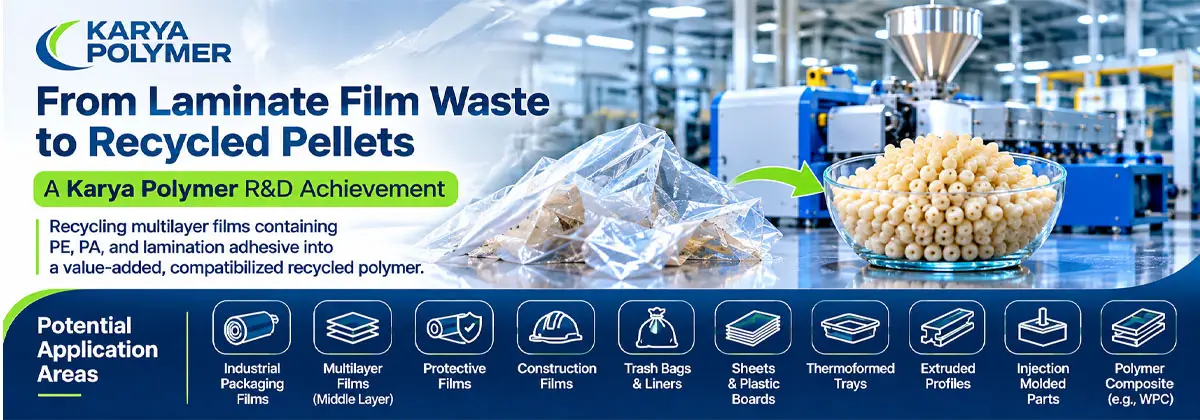

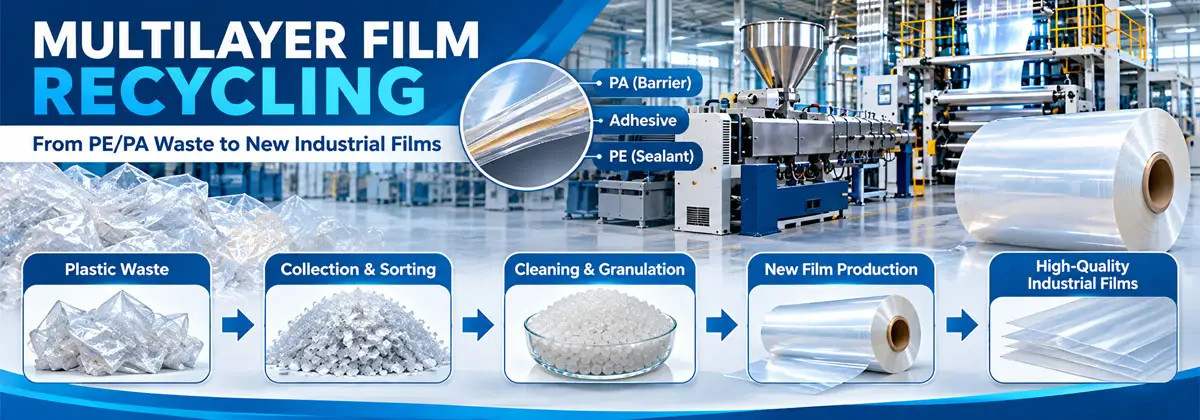
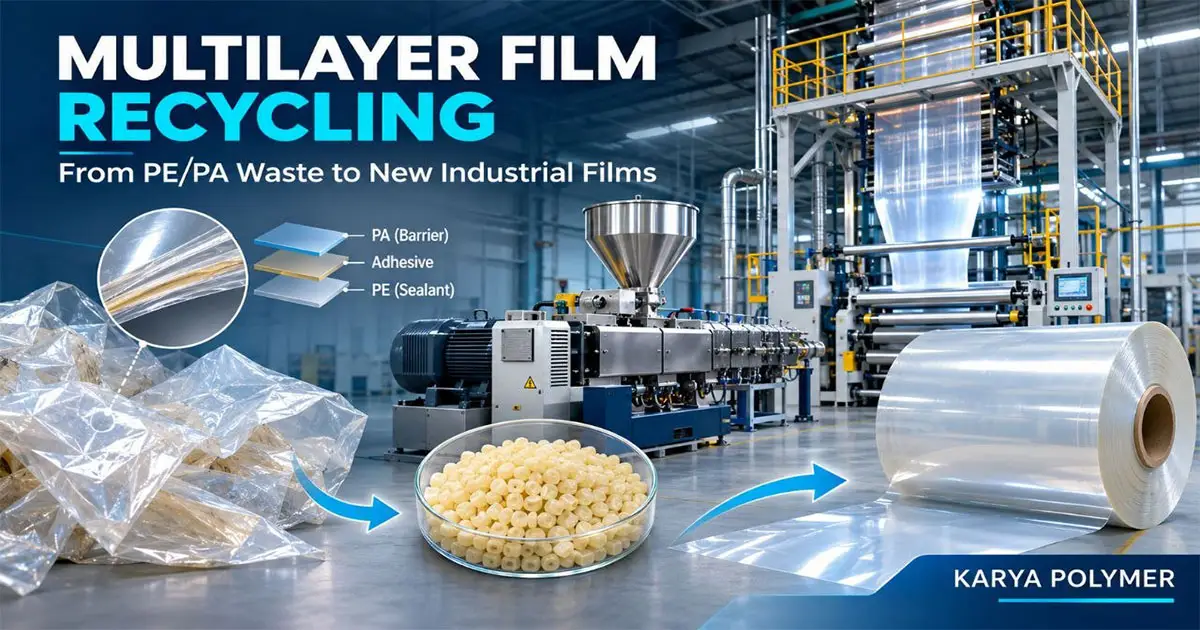
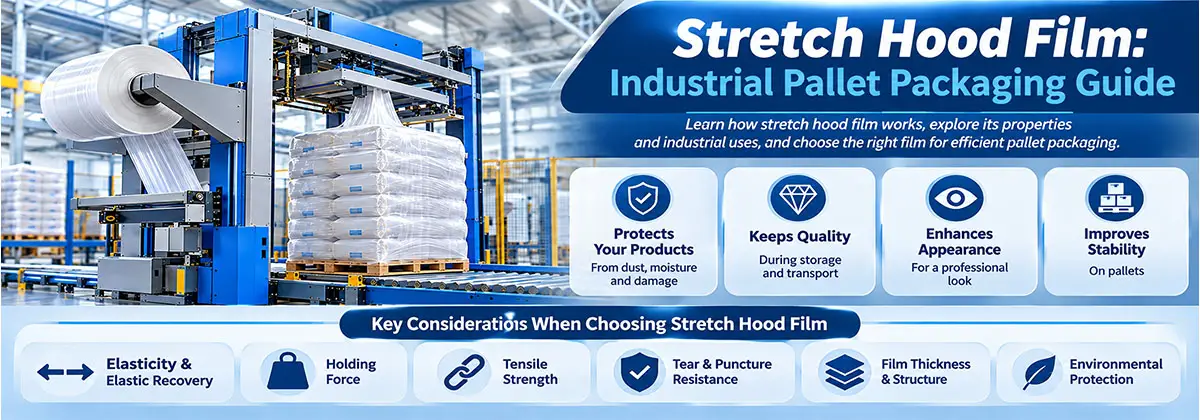
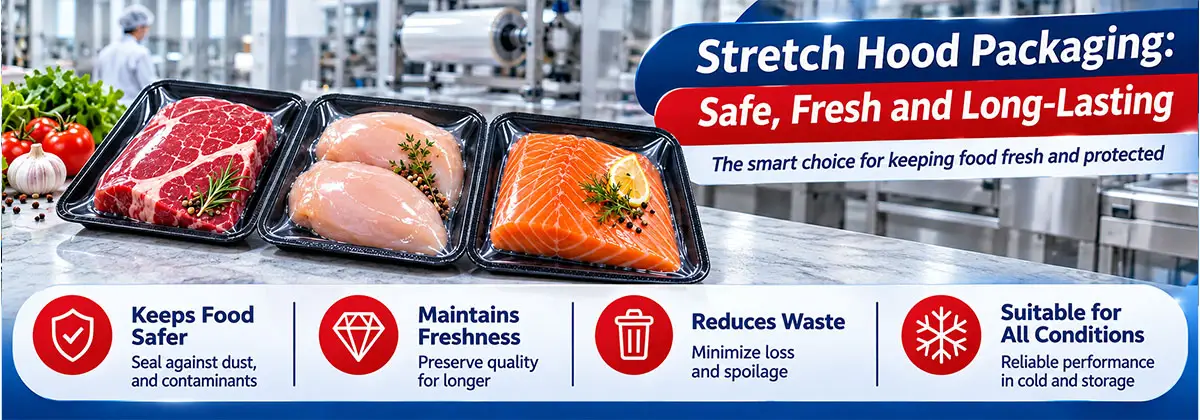


How to buy a channel vacuum bags
Karya Polymer is a knowledge-based company that is active in the field of producing channeled vacuum bags. This company uses the latest technology to produce channeled vacuum bags for the first time in Iran. Channeled vacuum bags made by Karya Polymer are produced from multi-layered polymer films that are impermeable.
The distinctive feature of channeled vacuum bags of this company is the presence of micro channels on the inner surface of the bag, which allows the air in the food layer to be discharged. The complete removal of air and creating a barrier against air penetration is one of the reasons for the shelf life of food products.
Channeled vacuum bags are produced by Karya Polymer with the following specifications:
It should be noted that the price of channeled vacuum bags is different according to their type. This means that the higher percentage of polyamide in these bags follows the higher the cost. If you intend to buy channeled vacuum bags, it is better to contact our colleagues through the communication channels available on the Karya Polymer website and share the details of your order with us completely. Karya Polymer will provide you with a high quality product with a professional team.